
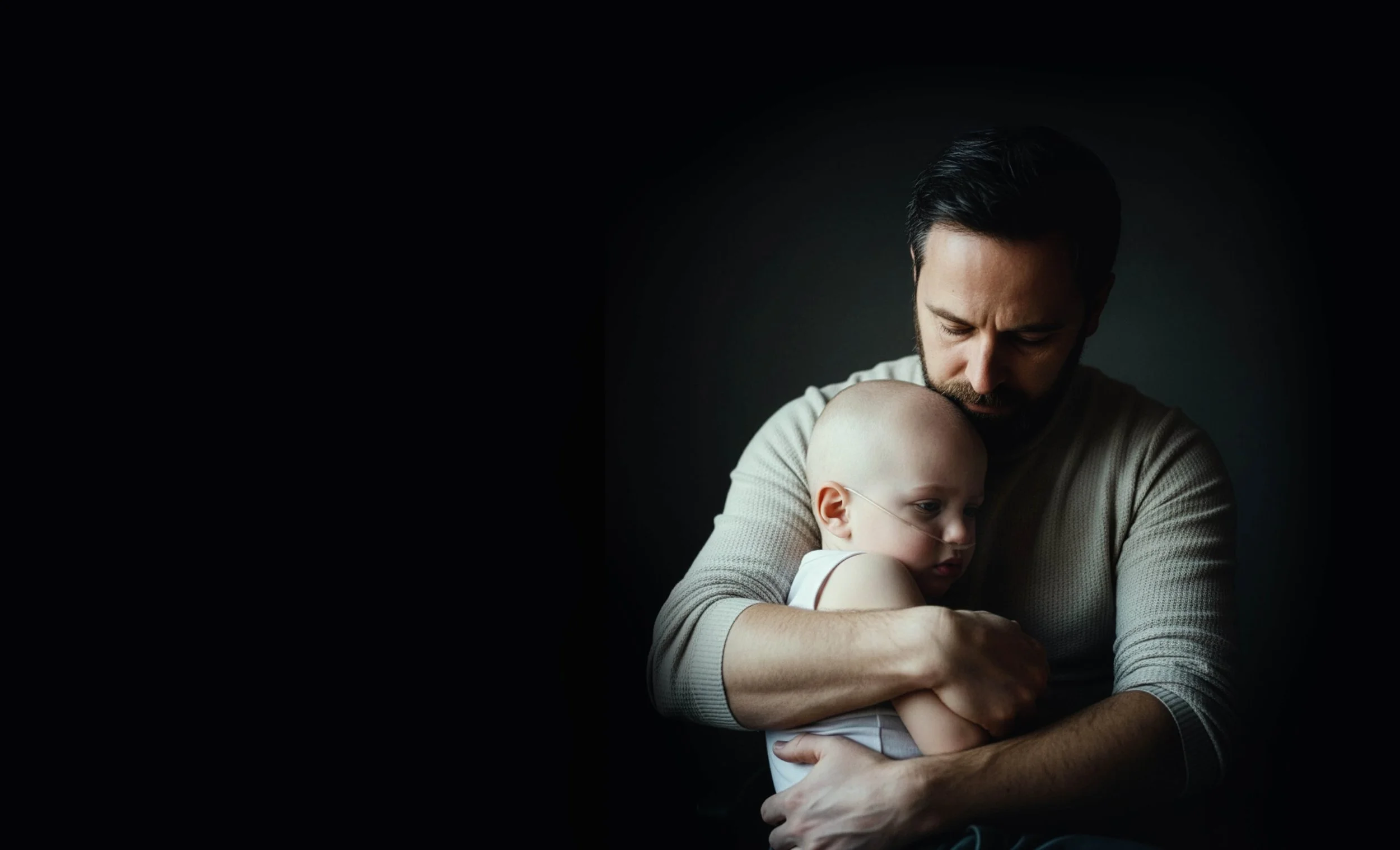
Mental Health Impact of Life-Threatening Child Illness on Families

When a child becomes seriously ill the whole family is affected, not just medically but emotionally, mentally and financially.
Yet the system focuses on the child, leaving parents to cope alone.
THAT MUST CHANGE
WHAT HAPPENS WHEN A CHILD BECOMES SERIOUSLY ILL

EVERY YEAR, THOUSANDS OF FAMILIES ARE TOLD NEWS THAT CHANGES EVERYTHING.
Parents’ lives stop overnight. Mental health deteriorates rapidly. Siblings are left without support. Finances collapse just when families need stability most.
There is no statutory mental-health support for parents in the first days and weeks after diagnosis, no structured support for siblings, and no automatic financial protection for parents who must stop working to care for their child.
WHAT THE EVIDENCE TELLS US
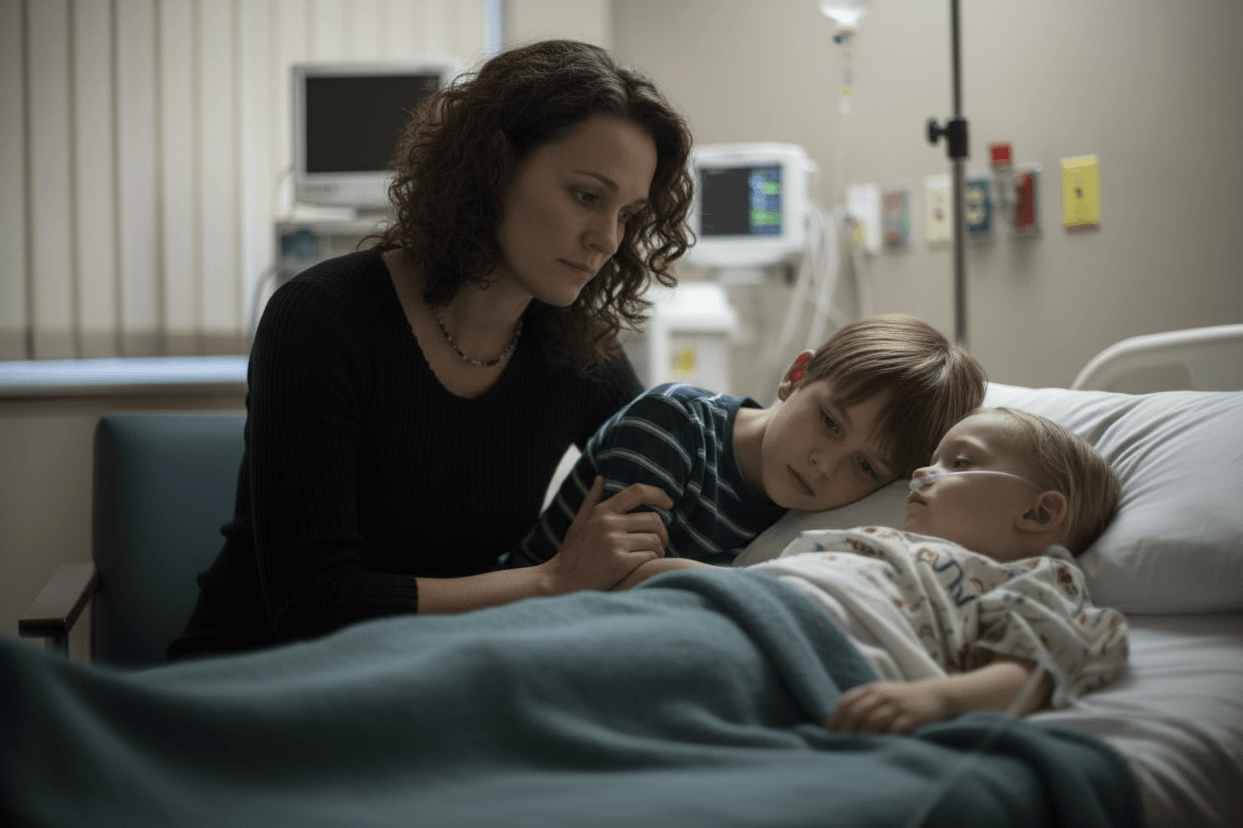
Research shows Mothers face dramatically higher rates of depression, anxiety, cardiovascular disease and long-term illness.
Fathers’ mental health often deteriorates in silence, with men less likely to be offered support while carrying financial pressure.
Siblings experience anxiety, isolation, educational disruption and are often forced to grow up fast without emotional support.
These outcomes are predictable and preventable, yet failing to support families early causes long-term harm and greater pressure on public services.
WHAT NEEDS TO CHANGE

Hugh’s Report will review The Mental Health Impact of Life-Threatening Child Illness on Families
This means protected, paid leave from day one; early mental-health support for both parents; recognition and support for siblings; and a system that prevents crisis rather than responding after families have already broken.
SUPPORTING PARENTS IS ESSENTIAL.